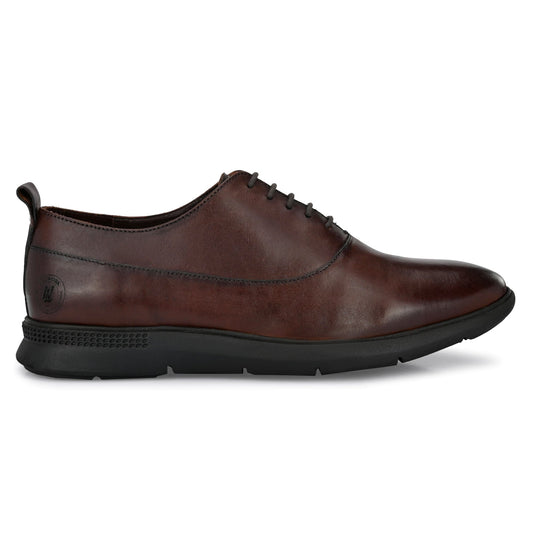


India's Footwear Manufacturing Industry: The Global Leader in Quality and Scale
India produces 13% of the world's footwear, manufacturing over 2.5 billion pairs annually. As the second-largest footwear producer globally, India has evolved from a cost-effective manufacturing hub to a center of innovation, quality craftsmanship, and sustainable production. This comprehensive guide explores why India leads global footwear manufacturing and how businesses can leverage Indian manufacturing expertise for custom shoe production.
Unlike retail-focused brands like Bata, Liberty, or Relaxo, this guide focuses on the manufacturing side—B2B services, custom production capabilities, quality standards, and the unique advantages that make India the preferred partner for premium footwear brands worldwide.
Industry Overview: India's Footwear Market Size and Growth
India's footwear industry is valued at over $15 billion USD and growing at 8-10% annually. The sector employs more than 2 million workers across 15,000+ manufacturing units, with major production clusters in Agra, Chennai, Delhi, Kanpur, and Mumbai.
Key statistics:
- Annual production: 2.5+ billion pairs
- Export value: $2.8 billion USD (2023)
- Domestic consumption: 2.1 billion pairs
- Growth rate: 8-10% CAGR
- Employment: 2+ million direct jobs
- Manufacturing units: 15,000+ facilities
The industry spans leather footwear (45%), synthetic footwear (35%), rubber/canvas (15%), and specialty categories (5%). India's strength lies in leather shoe manufacturing, where traditional craftsmanship meets modern production technology.
Why India Leads Global Footwear Manufacturing
1. Cost Efficiency Without Quality Compromise
Indian manufacturers deliver 30-40% cost savings compared to European production while maintaining comparable quality standards. This isn't about cheap labor—it's about economies of scale, efficient supply chains, and direct manufacturing without retail markups.
2. Skilled Labor and Artisan Heritage
India's footwear industry benefits from generations of leather craftsmanship. Artisans trained in traditional techniques like Goodyear welt construction, hand-stitching, and leather finishing bring expertise that automated factories cannot replicate. This heritage craftsmanship, combined with modern training programs, creates a workforce capable of producing both mass-market and premium luxury footwear.
3. Robust Infrastructure and Supply Chains
India's leather supply chain is vertically integrated. From tanneries producing world-class leather to component manufacturers supplying soles, laces, and hardware, everything is available domestically. This reduces lead times, lowers costs, and provides flexibility for custom orders.
4. Government Support and Export Incentives
The Indian government actively supports footwear manufacturing through export incentives, infrastructure development, and skill training programs. The Council for Leather Exports provides certifications, quality standards, and international market access support.
Manufacturing Capacity: Production Volume and Technology
Indian footwear manufacturers range from small artisan workshops producing 50-100 pairs daily to large-scale facilities manufacturing 50,000+ pairs per day. This diversity allows businesses to find manufacturing partners matching their specific volume requirements.
Production capabilities:
- Small-batch custom manufacturing: 50-500 pairs
- Medium-scale production: 500-5,000 pairs daily
- Large-scale manufacturing: 5,000-50,000+ pairs daily
- Rapid prototyping: 7-14 day sample turnaround
- Seasonal flexibility: Scale up/down based on demand
Technology integration:
Modern Indian manufacturers combine traditional craftsmanship with advanced technology. CAD/CAM design systems enable precise pattern development. Automated cutting machines ensure consistency. CNC sole molding delivers precision. Yet critical steps—lasting, stitching, finishing—often remain hand-crafted to maintain quality standards that machines cannot achieve.
Quality Certifications: ISO, BIS, and International Standards
Reputable Indian footwear manufacturers maintain rigorous quality certifications that meet international standards:
ISO 9001:2015 (Quality Management)
Ensures consistent production processes, quality control systems, and continuous improvement protocols. ISO-certified manufacturers demonstrate commitment to systematic quality management.
BIS (Bureau of Indian Standards)
Indian government certification ensuring products meet national quality and safety standards. BIS certification is mandatory for certain footwear categories sold in India.
Council for Leather Exports Certification
Recognizes manufacturers meeting export quality standards. CLE certification indicates capability to produce footwear for international markets with stringent quality requirements.
REACH Compliance (EU)
European chemical safety standards. REACH-compliant manufacturers can export to EU markets without restrictions.
OEKO-TEX Standard 100
Certifies materials are free from harmful substances. Important for brands emphasizing health and safety.
These certifications aren't just paperwork—they represent systematic quality control, material testing, worker safety protocols, and environmental compliance that separate professional manufacturers from informal producers.
B2B Services: Custom Manufacturing, Bulk Orders, and OEM
This is where Indian manufacturers excel—and where retail-focused competitors like Bata and Liberty don't operate. B2B footwear manufacturing services include:
1. Custom OEM (Original Equipment Manufacturing)
Manufacturers produce footwear to your exact specifications under your brand name. You provide designs, materials specifications, and quality standards. The manufacturer handles production, quality control, and packaging. Minimum order quantities typically range from 500-1,000 pairs per style, though premium manufacturers may accept smaller batches for testing.
2. Private Label Manufacturing
Manufacturers offer existing designs that you can brand as your own. This reduces development time and costs while allowing customization of materials, colors, and branding elements. Ideal for businesses entering footwear markets without in-house design capabilities.
3. Bulk Order Production
Large-volume orders (10,000+ pairs) receive preferential pricing and priority production scheduling. Bulk manufacturing leverages economies of scale—setup costs are amortized across larger quantities, reducing per-unit costs significantly.
4. Sample Development and Prototyping
Before committing to full production, manufacturers develop samples for approval. Professional manufacturers typically deliver initial samples within 14-21 days, with 2-3 revision rounds included. Sample costs range from ₹2,000-₹8,000 per pair depending on complexity.
5. Design Collaboration Services
Many manufacturers offer in-house design teams that collaborate on product development. From initial concept sketches to technical specifications, design collaboration ensures manufacturability while maintaining your brand vision.
Technology and Innovation in Indian Footwear Manufacturing
Modern Indian manufacturers invest heavily in technology while preserving craft traditions:
CAD/CAM Design Systems
Computer-aided design enables precise pattern development, grading across sizes, and virtual prototyping. This reduces material waste and accelerates development cycles.
Automated Cutting Technology
CNC cutting machines ensure consistent pattern cutting with minimal leather waste. Automated cutting improves material utilization by 15-20% compared to manual cutting.
3D Foot Scanning and Custom Fit
Advanced manufacturers offer 3D foot scanning technology for custom-fit production. This emerging capability positions Indian manufacturers at the forefront of personalized footwear trends.
Digital Inventory Management
Real-time production tracking, inventory management, and order status systems provide transparency throughout the manufacturing process. B2B clients can monitor production progress remotely.
Quality Testing Equipment
Modern testing labs evaluate leather strength, sole adhesion, color fastness, and durability. Automated testing ensures consistent quality across production runs.
Sustainability and Eco-Friendly Manufacturing Practices
This is a major gap in competitor content—and increasingly important to global brands. Indian footwear manufacturers are adopting sustainable practices:
1. Water Conservation
Leather tanning traditionally consumes significant water. Progressive manufacturers implement closed-loop water systems, reducing consumption by 40-60%. Wastewater treatment facilities ensure effluent meets environmental standards before discharge.
2. Eco-Friendly Materials
Vegetable-tanned leather (using natural tannins instead of chromium), recycled rubber soles, water-based adhesives, and organic cotton linings reduce environmental impact. Sustainable material sourcing is becoming standard for export-oriented manufacturers.
3. Waste Management and Recycling
Leather scraps are recycled into accessories, insoles, or composite materials. Sole waste is ground and reused in new compounds. Progressive manufacturers achieve 80%+ material utilization rates.
4. Energy Efficiency
Solar power installations, LED lighting, and energy-efficient machinery reduce carbon footprints. Some manufacturers operate carbon-neutral facilities.
5. Ethical Labor Practices
Fair wages, safe working conditions, no child labor, and worker training programs define ethical manufacturing. International brands increasingly require social compliance audits—Indian manufacturers meeting these standards gain competitive advantages.
Heritage Craftsmanship: Hand-Stitching and Traditional Methods
This is Legwork's unique angle—and what separates premium Indian manufacturers from mass-production facilities.
Goodyear Welt Construction
This 150-year-old technique creates shoes that can be resoled indefinitely. The upper leather is stitched to a welt (leather strip), which is then stitched to the sole. This labor-intensive process requires skilled artisans and takes significantly longer than cemented (glued) construction. Few manufacturers globally still practice Goodyear welting—India maintains this expertise.
Hand-Stitching and Finishing
Premium shoes require hand-stitching for critical areas where machine stitching cannot achieve the required precision or durability. Hand-burnishing leather edges, hand-applying patinas, and hand-lasting (shaping leather over the last) are artisan skills that machines cannot replicate.
Traditional Leather Working
Indian leather artisans possess generational knowledge of leather behavior, grain patterns, and finishing techniques. This expertise enables manufacturers to work with premium materials like Italian calfskin, exotic leathers, and specialty finishes that require expert handling.
Material Sourcing: Italian Leather and Quality Standards
A critical differentiator for premium manufacturers is material sourcing capability:
Italian Leather Partnerships
Top Indian manufacturers maintain relationships with Italian tanneries in Florence, Milan, and Tuscany. These partnerships provide access to world-class leather—the same materials used by luxury European brands—at more competitive pricing due to direct sourcing relationships.
Domestic Leather Quality
India produces excellent leather domestically. Kanpur, Chennai, and Kolkata host tanneries producing full-grain, top-grain, and specialty leathers meeting international standards. Domestic sourcing reduces costs and lead times while maintaining quality.
Material Testing and Selection
Professional manufacturers test leather for tensile strength, grain consistency, color fastness, and durability before production. Material selection expertise ensures the right leather for each application—dress shoes require different leather characteristics than casual footwear.
Component Sourcing
Beyond leather, manufacturers source premium components: Italian rubber soles (Vibram), brass hardware, waxed cotton laces, cork footbeds, and leather linings. Component quality directly impacts final product quality.
Worker Training and Ethical Development
India's skilled footwear workforce is built through systematic training:
Apprenticeship Programs
Traditional skills transfer through apprenticeships where experienced artisans train new workers. A Goodyear welt stitcher requires 2-3 years of training to achieve proficiency.
Technical Training Centers
Government and industry-sponsored training centers teach modern manufacturing techniques, quality control, and safety protocols. These programs ensure consistent skill levels across the industry.
Fair Wages and Working Conditions
Ethical manufacturers pay above minimum wage, provide safe working environments, offer health benefits, and maintain reasonable working hours. Social compliance is increasingly non-negotiable for international brands.
Career Development
Progressive manufacturers invest in worker development, offering advancement opportunities from production line roles to supervisory and technical positions. This reduces turnover and builds institutional knowledge.
Global Export Markets and International Trade
Indian footwear manufacturers export to over 100 countries:
Primary Export Markets:
- United States: 25% of exports
- European Union: 30% of exports
- Middle East: 20% of exports
- Asia-Pacific: 15% of exports
- Other markets: 10% of exports
Trade Agreements and Tariff Benefits
India maintains preferential trade agreements with multiple countries, reducing import duties on Indian footwear. These agreements make Indian manufacturing more competitive than alternatives.
Export Documentation and Compliance
Experienced manufacturers handle export documentation, customs clearance, and international shipping logistics. This expertise simplifies international sourcing for brands unfamiliar with import/export procedures.
Quality Standards for Export
Export-oriented manufacturers maintain higher quality standards than domestic-focused producers. International markets demand consistency, durability, and compliance with safety regulations—capabilities that separate professional manufacturers from informal producers.
Supply Chain Excellence: Lead Times and Flexibility
Efficient supply chain management differentiates professional manufacturers:
Typical Lead Times:
- Sample development: 14-21 days
- Small batch production (500-1,000 pairs): 45-60 days
- Medium production (1,000-5,000 pairs): 60-90 days
- Large orders (5,000+ pairs): 90-120 days
- Rush orders: 30-45 days (premium pricing)
Inventory Management
Manufacturers offering inventory holding services enable brands to order larger quantities (better pricing) while releasing stock gradually. This reduces per-unit costs without requiring large upfront inventory investments.
Seasonal Flexibility
Footwear demand fluctuates seasonally. Experienced manufacturers scale production capacity up during peak seasons and maintain core teams during slower periods, ensuring consistent quality year-round.
Logistics and Shipping
Professional manufacturers coordinate domestic and international shipping, handle packaging requirements, and manage freight forwarding. End-to-end logistics support simplifies the manufacturing partnership.
Custom Design Collaboration: From Concept to Production
This capability separates full-service manufacturers from production-only facilities:
Design Development Process:
1. Concept Discussion: Understanding brand vision, target market, price points, and design preferences
2. Initial Sketches: Design team creates concept sketches for review
3. Technical Specifications: Converting approved designs into production-ready technical drawings
4. Material Selection: Choosing leathers, soles, linings, and components matching design intent and budget
5. Sample Production: Creating physical samples for fit, comfort, and aesthetic evaluation
6. Iteration and Refinement: Adjusting based on feedback (typically 2-3 rounds)
7. Production Approval: Final sample approval before bulk manufacturing
Design Team Expertise
In-house designers understand both aesthetics and manufacturability. They can suggest modifications that improve production efficiency without compromising design vision—reducing costs while maintaining quality.
Cost Advantages: Why Indian Manufacturing Delivers Value
Indian manufacturers offer 30-40% cost savings compared to European production. Here's why:
1. Economies of Scale
Large production volumes spread fixed costs (machinery, facility, setup) across more units, reducing per-pair costs significantly.
2. Direct Manufacturing
No retail markups, no distributor margins, no middlemen. You're buying directly from the producer at manufacturing cost plus reasonable margin.
3. Efficient Labor Costs
While paying fair wages, Indian labor costs remain lower than European or American equivalents. This isn't exploitation—it reflects different cost-of-living standards while maintaining ethical employment practices.
4. Integrated Supply Chains
Domestic availability of leather, components, and materials reduces import costs and lead times. Vertical integration creates efficiencies that benefit customers.
5. Government Incentives
Export incentives, tax benefits, and infrastructure support reduce operational costs for manufacturers, savings that can be passed to customers.
Market Trends: Hybrid Shoes, E-Commerce, and Emerging Categories
Indian manufacturers are adapting to evolving market demands:
1. Hybrid Footwear Technology
Combining dress shoe aesthetics with sneaker comfort—hybrid shoes represent the fastest-growing premium category. Indian manufacturers developing hybrid technology (cushioned insoles, flexible outsoles, breathable linings) position themselves for this trend.
2. E-Commerce Optimization
Direct-to-consumer brands require different manufacturing approaches: smaller batch sizes, faster turnaround, flexible inventory, and premium packaging. Manufacturers adapting to e-commerce needs gain competitive advantages.
3. Sustainability Demand
Consumers increasingly prioritize sustainable, ethically-produced footwear. Manufacturers implementing eco-friendly practices and transparent supply chains meet this growing demand.
4. Custom Fit and Personalization
Technology enabling custom-fit shoes (3D scanning, made-to-measure) represents premium market opportunities. Indian manufacturers investing in these capabilities position for future growth.
5. Athleisure and Casual Professional
Workplace dress codes evolving toward business-casual create demand for versatile footwear that works in multiple contexts. Manufacturers developing products for this market capture growing segments.
Comparison to Global Manufacturing: India vs China, Vietnam, Indonesia
India vs China:
China excels at mass production and synthetic footwear. India leads in leather craftsmanship and premium manufacturing. For quality leather shoes requiring artisan skills, India offers superior capabilities at competitive pricing.
India vs Vietnam:
Vietnam focuses on athletic and casual footwear for major brands. India's strength is leather dress shoes, boots, and premium categories. Vietnam offers lower labor costs; India offers better craftsmanship and material quality.
India vs Indonesia:
Indonesia produces primarily casual and athletic footwear. India's leather industry infrastructure and artisan heritage provide advantages in premium leather footwear manufacturing.
India vs Europe:
European manufacturing (Italy, Spain, Portugal) produces exceptional quality but at 3-4x Indian costs. Indian manufacturers using Italian leather and traditional techniques deliver comparable quality at accessible pricing—the same craftsmanship without the European price premium.
Legwork: Premium Manufacturing at Accessible Prices
Legwork represents the evolution of Indian footwear manufacturing—combining heritage craftsmanship with modern technology to deliver premium quality at fair pricing.
Our Manufacturing Philosophy:
- Handcraft + Technology: Goodyear welt construction and hand-finishing combined with modern production efficiency
- Italian Leather Sourcing: Direct relationships with Florence tanneries provide world-class materials
- Hybrid Innovation: Pioneering comfort technology that doesn't compromise dress shoe aesthetics
- Sustainable Practices: Eco-friendly materials, ethical labor, and responsible production
- 100% Quality Control: Every pair inspected before shipping
- Direct Manufacturing: No middlemen, no retail markups—just fair pricing for premium quality
B2B Capabilities:
Legwork offers custom manufacturing services for brands seeking premium footwear production. Minimum order quantities start at 500 pairs, with full design collaboration, material selection support, and quality assurance throughout production.
Future Opportunities in Indian Footwear Manufacturing
The Indian footwear manufacturing sector is positioned for continued growth:
1. Growing Global Demand
As brands seek alternatives to Chinese manufacturing and consumers demand sustainable production, India's ethical manufacturing and quality craftsmanship become increasingly attractive.
2. Emerging Markets
Africa, Latin America, and Southeast Asia represent untapped markets for Indian footwear exports. Manufacturers developing these markets position for long-term growth.
3. Premium Segment Expansion
India's reputation is evolving from "cost-effective" to "premium quality." Manufacturers investing in craftsmanship, materials, and innovation capture higher-margin premium segments.
4. Technology Integration
3D printing, automated customization, and digital manufacturing technologies will transform footwear production. Indian manufacturers adopting these innovations maintain competitive advantages.
5. Sustainability Leadership
As environmental regulations tighten globally, manufacturers with established sustainable practices gain preferential access to international markets.
Partner with India's Leading Footwear Manufacturers
Whether you're launching a footwear brand, expanding product lines, or seeking manufacturing partners for custom production, Indian footwear manufacturers offer unmatched combination of quality, craftsmanship, and value.
Key advantages of partnering with Indian manufacturers:
- 30-40% cost savings vs European production
- Access to skilled artisan craftsmanship and heritage techniques
- Flexible production volumes from small batches to large-scale orders
- Comprehensive B2B services including design collaboration and OEM
- Quality certifications meeting international standards
- Sustainable and ethical manufacturing practices
- Efficient supply chains and reliable lead times
- Export expertise and international shipping capabilities
India's footwear manufacturing industry combines the best of traditional craftsmanship and modern production efficiency. For brands seeking premium quality at accessible pricing, Indian manufacturers deliver exceptional value.
Ready to start your custom manufacturing partnership? Contact us to discuss your footwear manufacturing needs and discover how Indian craftsmanship can elevate your brand.
Legwork: Premium footwear manufacturing combining Italian leather, Goodyear welt construction, and hybrid comfort technology. Made in India, built to last.